The Paradigm Shift: From Blue Links to Conversational Answers
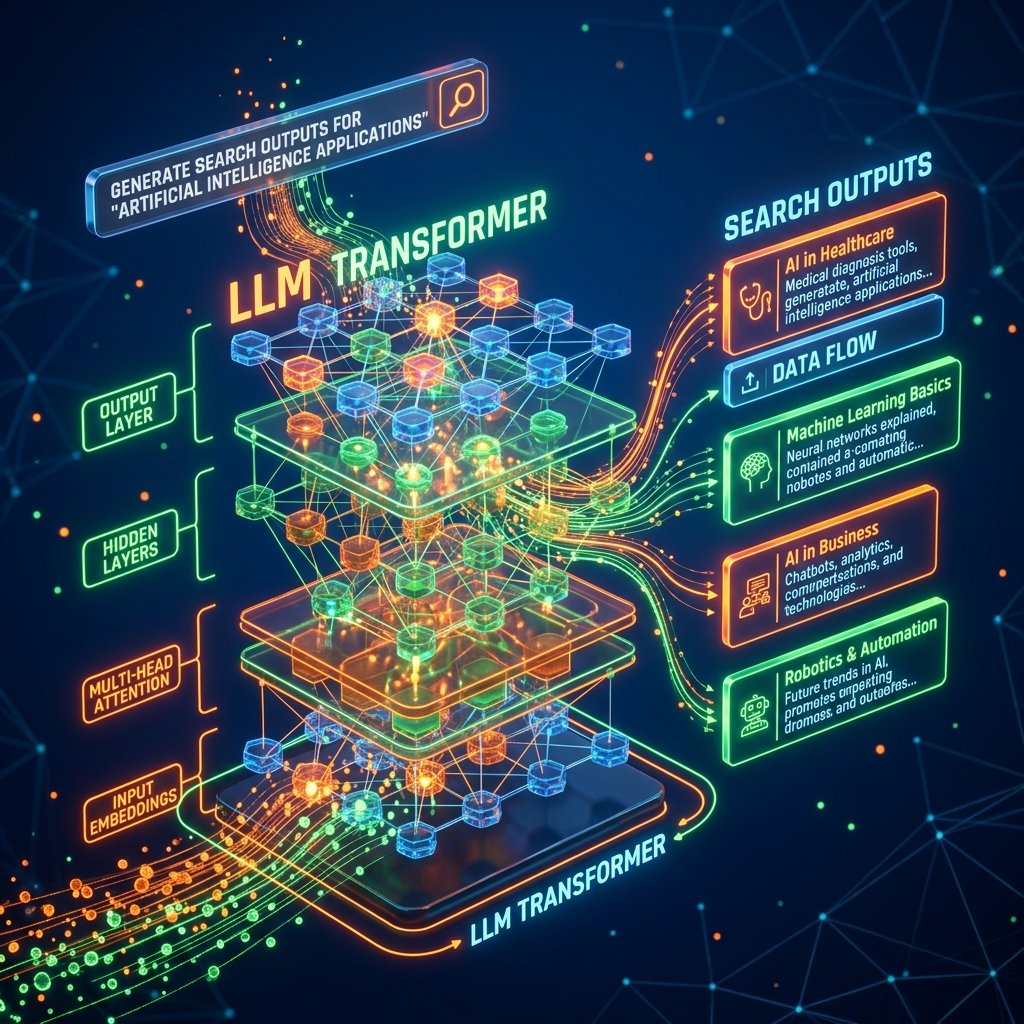
Search engines are undergoing the most significant evolution in their history. Traditional Search Engine Results Pages (SERPs) containing ten blue links are being replaced by generative AI experiences. Features like Google's AI Overviews, Microsoft's Copilot, ChatGPT Search, and Perplexity answer users' questions directly by summarizing web data and citing authoritative sources. To maintain your brand's digital visibility, you must optimize your pages so they are selected, cited, and recommended by these Large Language Models (LLMs). This emerging discipline is known as Generative Engine Optimization (GEO) or LLM Optimization.
At SEO PPC Delhi, Sonia Vihar, we are at the forefront of this technology. We design custom LLM optimization frameworks that ensure your business, products, and services are prominent in generative search answers. We analyze how LLMs crawl, interpret, and summarize web pages, then adjust your website's data structure, content formatting, and external authority signals to align with their training and retrieval systems. This proactive optimization drives highly qualified referral traffic from users who rely on conversational AI to make buying decisions.
Core Elements of Generative Engine Optimization (GEO)
LLMs process and retrieve information differently than classic search crawlers. Our GEO strategies target the specific data signals that AI engines prioritize:
- 1. Citation and Source Optimization: AI search engines use retrieval systems (Retrieval-Augmented Generation, or RAG) to pull facts from the web. We optimize your content structure with clear, authoritative, and fact-dense statements to make it easy for RAG pipelines to select your pages as source citations.
- 2. Knowledge Graph & Entity Integration: Conversational AI builds connections between concepts, brands, and products. We format your structured schema code, directory profiles, and brand mentions to establish your business as a trusted entity in your industry's knowledge graph.
- 3. Conversational QA Structuring: Generative search queries are typically phrased as complete questions. We structure your content using conversational question-and-answer patterns, ensuring your pages provide direct, highly relevant answers to complex voice and text prompts.
- 4. Brand Sentiment & Citation Volume: LLMs recommend brands that are mentioned across multiple independent platforms. We run targeted digital PR, review acquisition, and co-citation campaigns to increase your brand's authority score within AI databases.
Our LLM Optimization Process
We use a data-driven, five-step methodology to optimize your website for AI search engines:
Phase 1: AI Visibility Audit
We test how major conversational engines respond to prompts about your industry, products, and competitors. We identify which websites are currently being cited in AI Overviews and ChatGPT results, mapping the content patterns and authority structures of those cited sources.
Phase 2: Fact-Dense Content Re-Engineering
AI models prefer structured, fact-dense writing over promotional copy. We optimize your pages by organizing information into bullet points, definition boxes, and clear comparison tables. This structural formatting makes it easier for LLMs to extract your content for summaries.
Phase 3: Advanced JSON-LD Semantic Schema Integration
We write detailed semantic schema code to help AI engines understand your page relationships. We implement custom Entity, Product, FAQ, and Article schemas, directly defining your services, location in Sonia Vihar/Delhi, and industry associations.
Phase 4: Digital Trust and Co-Citation Expansion
We build your external citation footprint. We secure guest placements, press coverage, and citations on authoritative portals. When your brand name is consistently mentioned alongside key industry terms on trusted websites, LLMs learn to associate your business with those topics.
Phase 5: Conversational Performance Analytics
We monitor search query data to track your visibility in AI summaries. We measure impressions, referral traffic from conversational engines, and citation counts, adjusting our content silos to capture emerging search prompts.
Key Performance Metrics (GEO Case Results)
Businesses that deploy Generative Engine Optimization alongside classic organic SEO experience significant increases in brand authority and high-intent traffic:
| AI Visibility Metrics | Average Growth (6 Months) |
|---|---|
| Google AI Overview Citation Share | +215% |
| Referral Traffic from AI Engines (Perplexity, ChatGPT) | +178% |
| Brand Recommendations in Conversational Prompts | +140% |
| Knowledge Graph Entity Authority Score | +85% |
| Conversion Rate from AI Referral Leads | +52% |
Why Choose SEO PPC Delhi for LLM Optimization?
The digital search landscape is changing, and traditional SEO checklists are no longer enough to maintain market share. At SEO PPC Delhi, we are pioneers in Generative Engine Optimization. We understand the technical details of vector databases, RAG pipelines, and transformer models. We build custom optimization systems that keep your brand visible, authoritative, and recommended in conversational search engines. Partner with us to secure your brand's presence in the future of search.
Frequently Asked Questions (FAQs)
Generative Engine Optimization (GEO) is the practice of optimizing your website's content, structure, and authority signals so that it is selected, cited, and recommended by AI-driven search engines and conversational platforms (like Google AI Overviews, ChatGPT Search, Claude, and Perplexity). It is necessary because search behavior is shifting: users are increasingly asking complex, conversational questions and receiving direct summaries rather than clicking on standard search links. GEO ensures your brand is the source of those AI answers.
AI search models use Retrieval-Augmented Generation (RAG) to locate relevant information. RAG systems crawl the web or query search indexes to find pages that match the semantic intent of a user's prompt. The model then scores these pages based on factors like factual density, clear structure, entity authority, and trust signals (such as high-quality backlinks). The most relevant, easy-to-summarize content is extracted, and the source URLs are displayed as citations.
We track AI visibility using specialized tools and custom query scripts. We monitor Google Search Console data (which includes impressions and clicks from AI Overviews), trace referral traffic headers from conversational domains (such as perplexity.ai and chatgpt.com), and run automated tests using target search prompts to check if your website is cited or recommended as a top solution in conversational answers.
Entity-based search is a model where search engines catalog information as connected nodes (entities) in a knowledge graph, rather than analyzing isolated keywords. An entity can be a brand, a person, a location (like Sonia Vihar), or a product. Large Language Models rely heavily on these relationships to build context. By optimizing your site's structured schema code and acquiring citations on authoritative platforms, we help AI models connect your brand entity with your target industry terms.
GEO does not replace traditional SEO; it builds upon it. AI search models pull information from search engine indexes. If your website has poor technical health, slow loading times, or weak domain authority, AI crawlers will not locate it. A successful strategy requires a strong foundation of traditional SEO (speed, indexability, high-quality backlinks) combined with LLM optimization (structured content, semantic entities, and direct Q&A formats).